
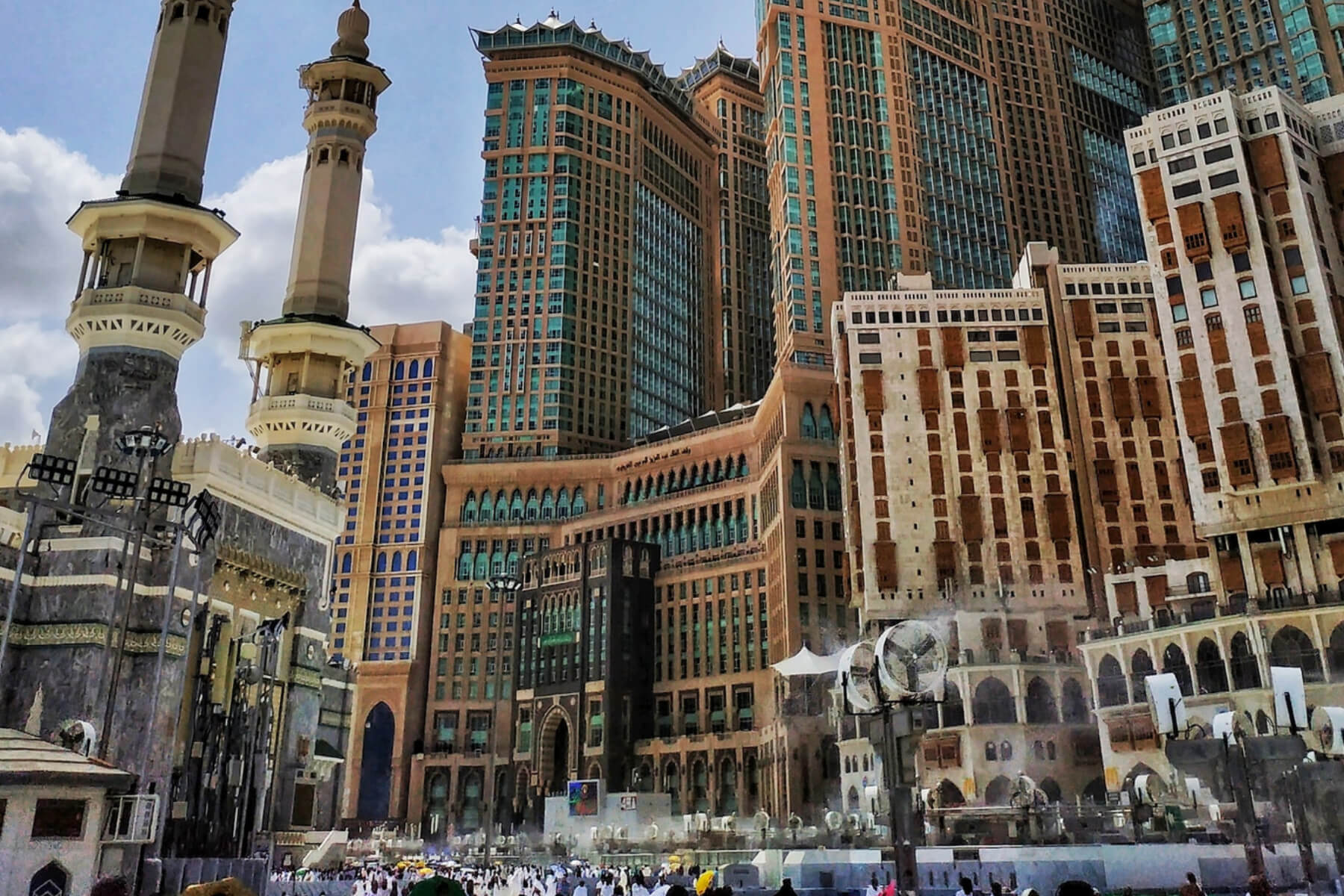
Hajj and Umrah are two of the most important religious pilgrimages in Islam, and they have a rich history and significance in the faith. These rituals date back to the time of Prophet Muhammad (peace be upon him) and have been practised by Muslims around the world for centuries. In this article, we will explore the significance and history of the Hajj and Umrah rituals.
The Hajj
The Hajj is an annual pilgrimage that takes place in the Islamic month of Dhu al-Hijjah, the last month of the Islamic calendar. It is considered one of the five pillars of Islam, and it is mandatory for all able-bodied Muslims who can afford to make the journey to Mecca at least once in their lifetime.
The Hajj commemorates the life and legacy of Prophet Abraham (peace be upon him), who is revered as the father of the monotheistic faiths. According to Islamic tradition, it was Prophet Abraham who built the Kaaba in Mecca, which is the holiest site in Islam. The Hajj is a journey to this sacred site, where pilgrims perform a series of rituals that symbolize their devotion to God and their submission to His will.
The rituals of the Hajj include the following:
- Ihram: This is the state of purity that pilgrims must enter before beginning the Hajj. It involves wearing special clothing, abstaining from certain activities, and reciting specific prayers.
- Tawaf: This is the ritual of circling the Kaaba seven times in a counterclockwise direction while reciting specific prayers.
- Sa’i: This is the ritual of walking seven times between the hills of Safa and Marwa, which symbolizes the struggle of Prophet Abraham’s wife Hagar in search of water for her son Ishmael.
- Arafat: This is the main day of the Hajj, where pilgrims gather at the plain of Arafat and spend the day in prayer and supplication.
- Muzdalifah: This is where pilgrims spend the night after leaving Arafat, and they collect pebbles to be used in the next ritual.
- Stoning of the Devil: This involves throwing pebbles at three pillars in the city of Mina, which symbolizes the rejection of evil and the triumph of good.
- Sacrifice: This involves the slaughter of an animal as a symbol of Prophet Abraham’s willingness to sacrifice his son Ishmael for the sake of God.
- Tawaf al-Ifadah: This is a repeat of the Tawaf ritual, performed after the stoning of the devil.
- Tawaf al-Wida: This is the final Tawaf ritual performed before leaving Mecca.
The Umrah
The Umrah is a voluntary pilgrimage that can be performed at any time of the year. It involves many of the same rituals as the Hajj, but on a smaller scale. Umrah is not mandatory, but it is highly recommended, and many Muslims choose to perform it in addition to the Hajj.
The rituals of the Umrah include the following:
- Ihram: This is the same state of purity that pilgrims must enter before beginning the Hajj.
- Tawaf: This is the same ritual of circling the Kaaba seven times, as in the Hajj.
- Sa’i: This is the same ritual of walking between the hills of Safa and Marwa, as in the Hajj.
- Shaving or cutting hair: This is the final step of the Umrah, where pilgrims shave their heads or cut a small amount of hair to symbolize the completion of the pilgrimage.