
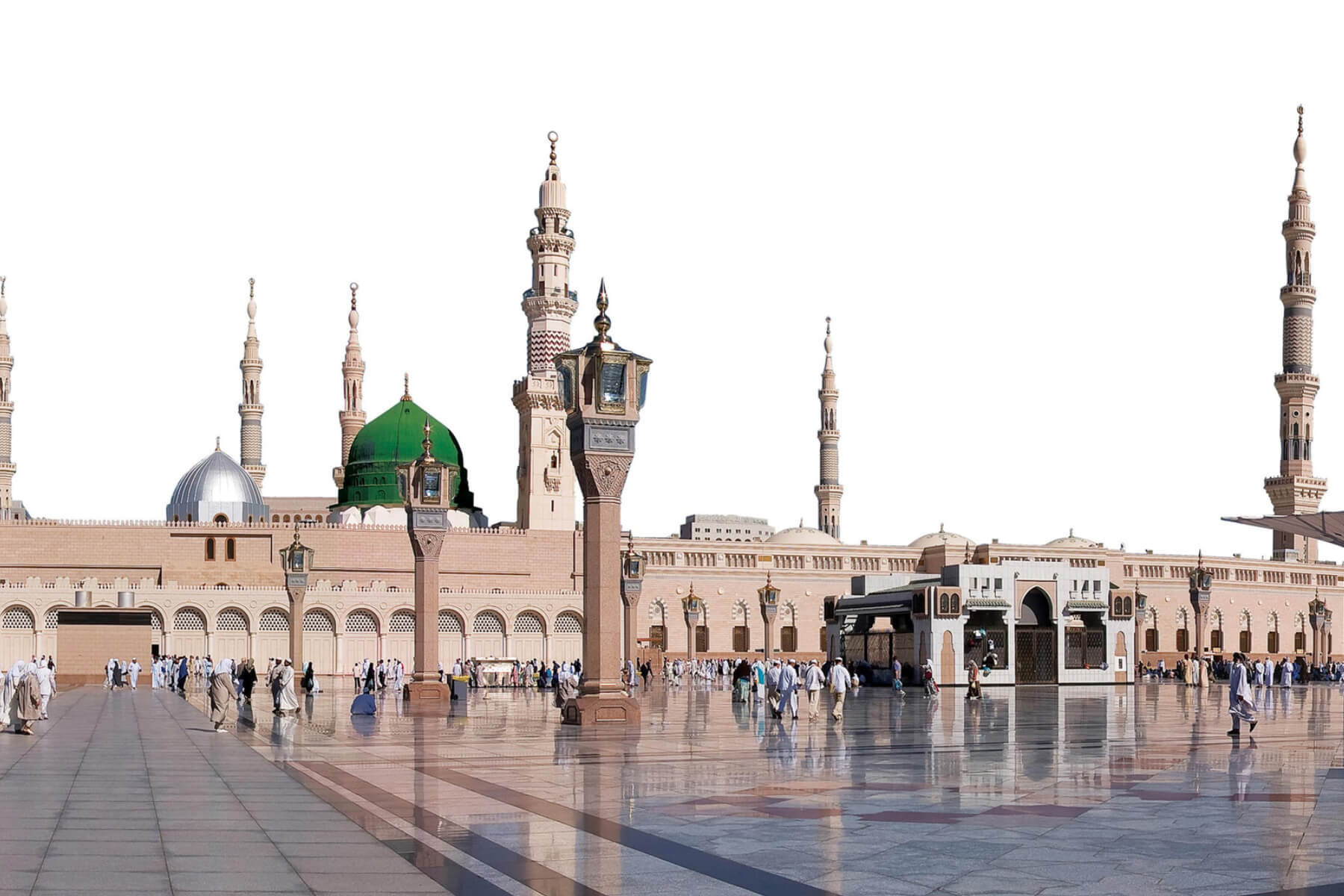
Hajj and Umrah are two of the most important religious pilgrimages in Islam. Every year, millions of Muslims from around the world travel to Saudi Arabia to perform these sacred rituals. While most pilgrims prefer to perform Hajj and Umrah during the peak season, there are several benefits to performing these pilgrimages during the off-season.
In this article, we will explore the advantages of performing Hajj and Umrah during the off-season.
- Fewer Crowds
One of the main advantages of performing Hajj and Umrah during the off-season is the reduced number of crowds. During peak season, the holy cities of Mecca and Medina are packed with millions of pilgrims, making it challenging to perform the rituals comfortably. During the off-season, there are fewer pilgrims, which means shorter lines, less waiting, and less time spent in crowded places.
- Cheaper Cost
Another benefit of performing Hajj and Umrah during the off-season is the lower cost. Travel and accommodation expenses during peak season can be much higher due to the high demand. During the off-season, prices for flights and hotels are often much lower, making it more affordable for pilgrims who are on a tight budget.
- More Attention from the Guides
During peak season, Hajj and Umrah operators are often overwhelmed by the high number of pilgrims. This can make it difficult for them to provide personalized attention to each individual. In contrast, during the off-season, operators have more time and resources to cater to the needs of each pilgrim, providing more personalized attention and guidance.
- Better Weather Conditions
Performing Hajj and Umrah during peak season means braving the harsh Saudi Arabian summer weather, which can be quite challenging for many pilgrims, especially those who are not accustomed to the heat. During the off-season, the weather is more pleasant, with cooler temperatures and less humidity. This can make performing the rituals more comfortable and enjoyable.
- More Time for Reflection and Contemplation
Performing Hajj and Umrah during the off-season also provides pilgrims with more time for reflection and contemplation. With fewer crowds and distractions, pilgrims can focus more on their spiritual journey and the rituals they are performing, allowing them to connect with their faith and strengthen their spirituality.
- Availability of Services
During peak season, many services such as transportation, accommodation, and food can be in short supply due to the high demand. In contrast, during the off-season, these services are more readily available, making it easier for pilgrims to plan their pilgrimage and make arrangements for their stay.
- The Opportunity to Experience Saudi Culture
Performing Hajj and Umrah during the off-season also provides pilgrims with the opportunity to experience Saudi culture more intimately. With fewer crowds, pilgrims can explore the local markets, interact with locals, and immerse themselves in the culture and traditions of Saudi Arabia.
In conclusion, performing Hajj and Umrah during the off-season has several advantages. These include fewer crowds, lower costs, more attention from guides, better weather conditions, more time for reflection, availability of services, and the opportunity to experience Saudi culture.
While peak season may be the preferred time for many pilgrims, those who choose to perform these sacred rituals during the off-season can enjoy a more comfortable and meaningful experience.